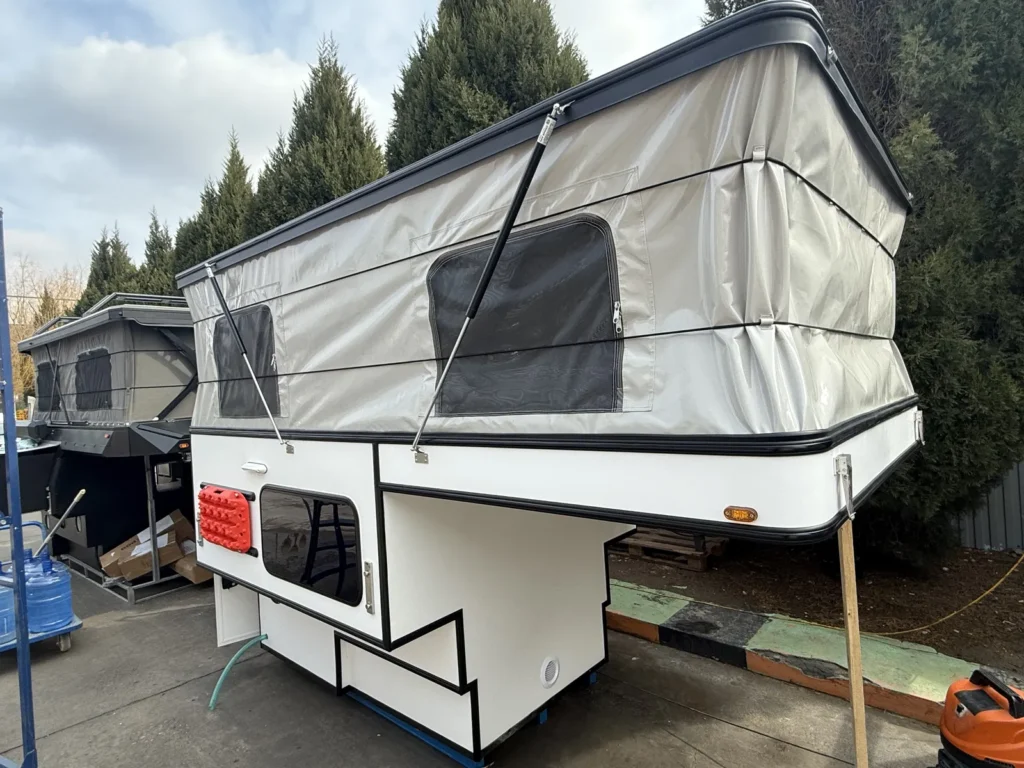
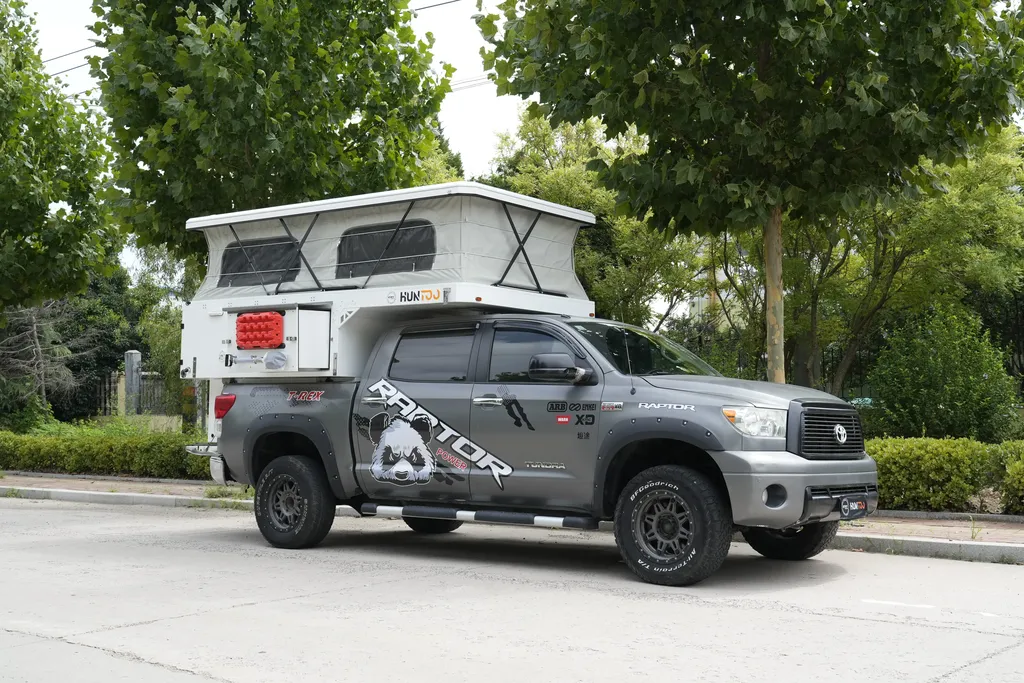
Before asking whether a furnished camper will fit a pickup, give the supplier a clear picture of the actual truck. A model name and a bed-length label are useful starting points, but they leave important questions unanswered. Dealers and fleet buyers also need a record that can be checked again when a different truck enters the order.
If you are deciding what truck measurements to send before ordering a furnished camper, organize the information into four parts: vehicle identity, measured bed geometry, existing equipment, and the proposed camper configuration. The goal is a useful review package that connects every measurement to a visible location.
Identify the truck before measuring the bed
Start with the make, model, model year, cab configuration, bed version, and country where the truck was originally supplied. Include whether it has a factory pickup bed, an aftermarket tray, or another body conversion. A tray-mounted proposal needs a different assessment from a camper intended to sit inside a pickup bed.
List changes that affect the working space: a replacement bed, raised floor, toolbox, bed rack, auxiliary equipment, or existing camper mounting system. If several vehicles are involved, create one record for each configuration rather than describing the entire fleet as identical.
When comparing the Huntoo furnished camper range, identify the model under discussion in the same record. An assessment of one camper and truck combination should not silently become approval for another.
Measure the usable space and show the reference points
Ask the supplier which drawing or measurement form they want you to complete. If none has been supplied yet, the following information provides a practical starting point for the conversation. These are information requests, not universal installation dimensions.
- Bed floor length: show the front and rear points used for the measurement, and state whether the tailgate is installed, open, closed, or removed.
- Width between the wheel housings: identify where the measurement was taken and photograph any intrusion or uneven surface.
- Internal bed width: record the location and height of the measurement, since the space at floor level may differ from the space near the rails.
- Bed floor to rail height: show the current floor surface and the top surface used as the reference.
- Rear opening: document the narrowest usable opening and any hardware that projects into it.
- Cab relationship: provide side photographs showing the bed, cab roof, and any accessories between or above them; ask which additional clearance measurements are required.
Use one unit system throughout the sheet, preferably with the unit beside every value. If you also provide converted figures, keep the original measured value. Avoid rounding to the nearest advertised bed size; the supplier needs the actual measurement and its reference points.
Make the photographs explain the numbers
Take an overall photograph first, followed by close views of the measurement points. Label the photographs with the same identifiers used on the sheet, such as M01 for floor length and M02 for the wheel-housing gap. Keep both ends of the tape or measuring device visible where practical.
Useful views include the bed from the rear, both bed sides, the front bed wall, the wheel housings, and the relationship between the truck cab and bed. Include close photographs of equipment that reduces space or obscures a potential mounting area. Do not remove or modify parts merely to obtain a cleaner photograph.
Photographs help the reviewer understand geometry, but they do not establish structural suitability. Leave uncertain dimensions marked “to be measured” instead of estimating them from an image.
Separate physical fit from carrying suitability
A camper can appear to fit within a bed while the complete combination still requires further review. Ask the truck manufacturer or a qualified installer which vehicle-specific loading documents and ratings apply. Include the proposed camper equipment and intended travel load in that discussion.
For example, Ford’s 2026 Super Duty guidance on slide-in campers directs owners to the Truck Camper Loading document supplied with the vehicle. That reference concerns the identified Ford vehicle; buyers of other trucks should obtain their own applicable manufacturer documentation.
Record the expected occupants, luggage, water, accessories, and other carried equipment for the vehicle review. Ask the camper supplier to define what its stated weight includes and what remains additional. Do not treat a brochure towing figure as confirmation of camper suitability.
Describe the camper being assessed
Use a configuration reference rather than a photograph alone. Name the proposed camper model, interior arrangement, and equipment under consideration. The camper buying guide provides a starting point for organizing the selection discussion, while the fitment review needs the specific version proposed for the order.
If the buyer changes the interior or equipment selection during quotation, ask whether the earlier assessment remains applicable. A showroom image may show Optional equipment, so it should not serve as the final equipment list.
Send one version that everyone can identify
A useful email package contains a vehicle information sheet, an annotated measurement sheet, a numbered photo set, and a list of open questions. Give the package a revision date and one contact person. Keep replies attached to that version so the installer and sales team can see what was reviewed.
For a dealer evaluating several trucks, use a simple matrix with one row per vehicle configuration. Record which information is complete, which review is pending, and what changed since the previous submission. A replacement pickup should trigger a fresh check of its own record.
Before committing to an order, request written clarification of the combination reviewed, the assumptions used, the installation responsibilities, and the unresolved items. This creates a traceable handoff between purchasing, the supplier, and the local installer.
Preparing a furnished camper order? Send Huntoo your vehicle information and proposed camper model to start a focused discussion about the information needed for your project.