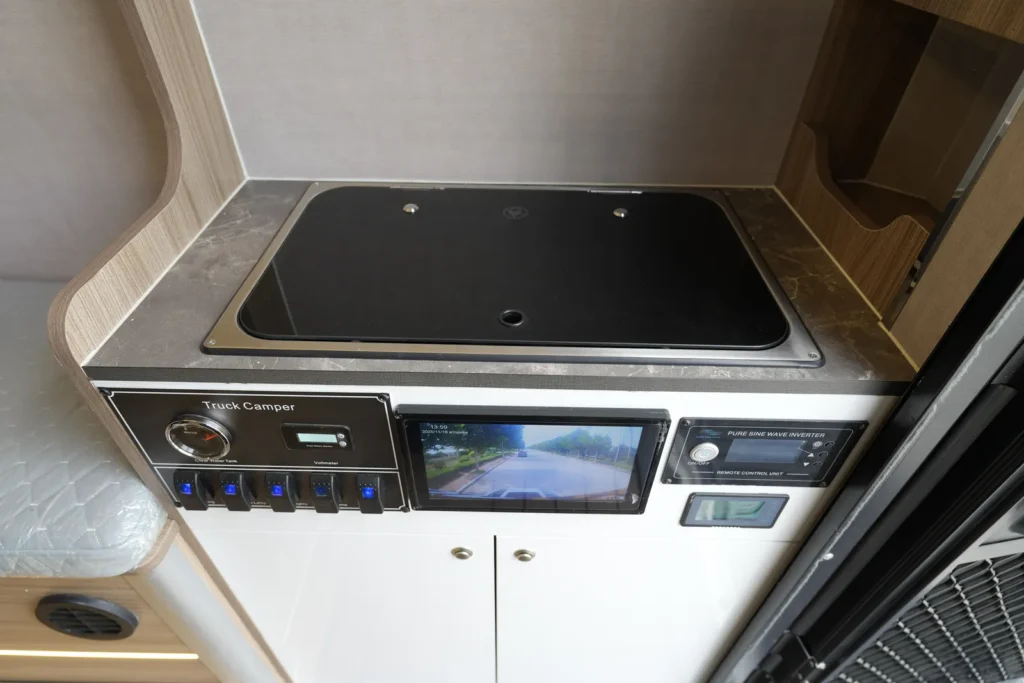
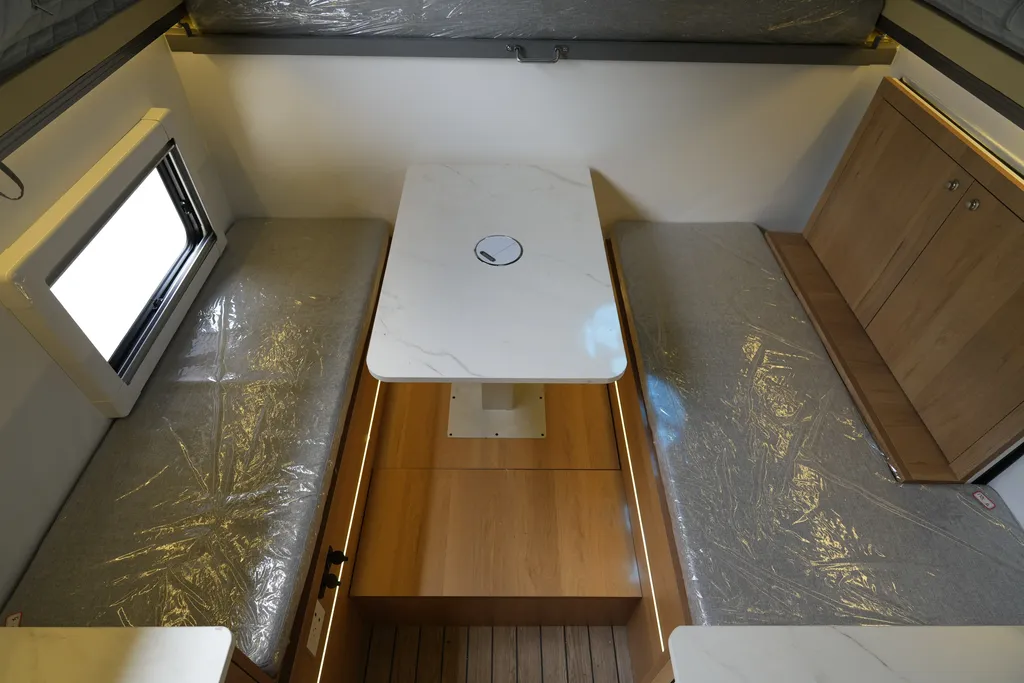
A rental camper’s interior has to work for guests who have never used it before and for staff preparing it for the next booking. A dining area that looks inviting in a photograph can still create awkward luggage moves, unclear storage rules, or a lengthy evening setup. For a fleet buyer, these are layout questions to resolve before selecting an interior.
Reviewing a truck camper dinette and storage layout for rental fleets starts with a typical booking: who uses the camper, what they bring, and how they move through arrival, meals, bedtime, and departure. A layout review becomes more useful when it follows that sequence instead of counting cupboards.
Define the booking you want the layout to serve
Choose a representative customer group and trip length. A couple traveling with two compact bags has different storage needs from a family carrying bedding, outdoor clothing, and separate activity equipment. If both groups matter to the business, write down both use cases and test the proposed arrangement against each.
Record the number of people expected to dine inside while parked, the sleeping arrangement being discussed, and the items supplied by the rental operator. Dining space and sleeping arrangements should be confirmed separately. Interior bench seating should never be presented to renters as an approved travel seat without the applicable vehicle approval.
Use the Huntoo camper interior views to identify arrangements worth discussing, then request dimensions and details for the actual model and configuration. Demonstration photographs may include Optional equipment.
Walk through four changes of use
Arrival with luggage
Imagine guests entering with their bags before anything has been unpacked. Identify where those bags can go without blocking the entrance or hiding controls. If every usable surface is immediately occupied, the handover should explain an unpacking sequence or the layout needs another review.
For procurement, ask for the usable dimensions of the intended luggage spaces and the size of their openings. A compartment may have enough internal volume while its door prevents the fleet’s standard bag or storage bin from passing through.
Meal preparation and dining
Trace the movement between food storage, the preparation surface, and the dinette. Check whether an open drawer conflicts with a seated guest or whether the table prevents access to a frequently used cupboard. Review this with the table and cushions in their normal positions.
Ask where tableware and meal supplies will live. The test is whether a guest can set up a simple meal using a clear sequence, without repeatedly moving personal luggage to reach supplied equipment.
Evening and sleeping setup
If the proposed configuration uses a convertible dining area, request a demonstration of that exact conversion. Record which parts move, where they are stored, and which storage spaces become inaccessible. If the dining area remains separate from the bed, test whether bedtime still affects access to bags and clothing.
A useful staff exercise is to complete the sequence using the proposed bedding and luggage, then write the instructions from memory. Steps that are difficult to describe deserve closer review before the handover guide is finalized.
Morning and departure
Reverse the sequence. Determine where bedding waits while the table or seating area is restored, and where damp clothing can be kept apart from clean linen. Choose locations appropriate to the confirmed interior and equipment instructions; avoid promising a dedicated drying space unless one is included.
Assign storage by user and frequency
Divide the storage plan into guest belongings, rental equipment, and service access. This is an operating proposal rather than a requirement for every cupboard to be partitioned. The point is to keep the guest’s packing choices from obscuring equipment that staff need to inspect or explain.
| Storage group | Layout question | Handover decision |
|---|---|---|
| Daily guest items | Can guests reach clothing and toiletries during normal use? | Name the spaces allocated to personal belongings. |
| Supplied dining kit | Can staff count and replace the kit without emptying unrelated storage? | Use a repeatable inventory and location list. |
| Bedding | Where does it go in both daytime and nighttime arrangements? | Photograph the agreed storage position. |
| Service access | Which panels or spaces must remain accessible? | Identify them in staff and guest instructions. |
Confirm storage load limits and travel securing arrangements with the supplier. Cabinet volume alone does not establish how much weight a compartment can carry.
Review the staff reset as carefully as the guest experience
Ask the team to inspect the interior using a short inventory: table components, cushions, supplied kitchen items, bedding, and loose accessories. Identify where each item belongs and how staff can see that it is present. The aim is a consistent reset process that different employees can follow.
Look at the reach into corners and the access beneath removable items where removal is permitted. Request the cleaning and care instructions for the selected surfaces. Do not choose a finish based only on appearance or assume it tolerates the cleaning products already used elsewhere in the fleet.
Record hardware concerns as questions: how a latch operates, whether replacement parts can be identified, and which adjustment tasks require supplier assistance. Avoid converting these questions into an assumed service promise.
Make the layout decision visible in the order
Prepare an annotated plan showing the intended guest spaces and supplied equipment. Attach the selected interior reference, agreed dimensions, and open questions. Use the same reference in purchasing and in the handover material prepared for renters.
Huntoo Camper works with business buyers through direct factory communication. The business buyer information is a starting point for discussing a fleet project; configuration availability and project requirements still need confirmation for the proposed order.
When reviewing the available furnished camper models, compare the routines each proposed interior needs to support. A useful decision records the accepted tradeoffs, such as a larger dining surface versus easier access to a particular storage area.
Planning a rental fleet interior? Share your booking profile and storage priorities with Huntoo, along with the model you are considering, to discuss the details needed for a layout review.